
July. Already halfway through the summer. Looking for new team members, a BBC summer transfer window and some good broadcasts with Andy Burnham. Here’s how the month looked:
BF MEDIA’S NEWS
We’ve been shortlisted for PR Agency of the Year (Small) at the UK Agency Awards, our third nomination in the space of six months. With the ceremony not until 1st October, that gives us plenty of time to dust off the good outfits!

And we’re growing the team! We’re looking for two new people to join us: an Account Director with real PR experience, someone who can help shape where BF Media goes next, and an Account Executive, where we’re keeping the door open to anyone trying to get their foot in the industry, regardless of background or past experience.
Work we delivered
We started the month with Project Basecamp’s co-founder Professor Gail Whiteman, turning the World Cup’s first ever mandatory hydration breaks into a story about the pace of climate change.
We led broadcast media relations for Voy as they began selling an oral GLP-1 weight-loss medication, the first tablet form to hit the UK market.
We tapped into the baldest moment of the summer for Lidl, launching a Pitbull-inspired version of their Cien sun spray, Mr SPF 30.5, timed to his British Summertime Festival headline slot.
We delivered research for Vinted into the rising cost of being a bridesmaid, and how younger generations are turning to second hand to save money.
We helped Omnipod spread the word on their new partnership with Calm, supporting the mental health of people living with diabetes.
We then supported Kellogg’s football camps, now in their third year, highlighting the importance of kids getting out of the house and socialising.
And to wrap up the month, we collaborated with Gousto and comedian Katherine Ryan, by delivering research and broadcast media interviews that delved into the funny ways parents survive the summer holidays including a spot on the Nation’s largest breakfast show – Heart with Jamie and Amanda.
The month in numbers
- 307 pieces of coverage
- 6 pieces of TV coverage
- 12 pieces of national coverage, including Heart Breakfast, 5 Live, LBC, BBC News, Sky News and Fox News
Industry News
The BBC’s summer transfer window, and what it reveals about the Brittin strategy
July brought major talent shake ups at the BBC. Looked at together, they offer perhaps the clearest indication yet of how they intend to operate under Matt Brittin.
Naga Munchetty is leaving BBC Breakfast after 17 years to take over Radio 5 Live’s breakfast programme from January 2027, as current hosts Rachel Burden and Rick Edwards step down, with the former doing so after 15 years.
At almost the same time, Radio 1 confirmed a full schedule refresh from September, with six presenters: Rickie Haywood-Williams, Melvin Odoom, Dean McCullough, Nat O’Leary, James Cusack, and Swarzy leaving as the station shakes up its line-up with talent drawn not only from radio, but from social media platforms. New arrivals include GK Barry, TikTok creator Charley Marlowe, Mylo & Rosie and former Absolute Radio host Emil Franchi.
What could this mean for broadcast? Influencers are no longer your every now and then guest appearances, they are being handed their own slots in broadcast. It’s hard not to read this alongside what new Director General Matt Brittin has said since taking over that the BBC “must be where audiences are.” So is this the strategy in practice and where broadcast is headed? And does an online following actually even translate into a popular broadcast show?
Ofcom’s Media Nations report
On the 29th of July Ofcom released its annual Media Nations report. This is what you need to know:
For the first time, Netflix has overtaken the BBC as UK viewers’ first choice, 26% versus 25%, with ITV third on 15%.
But the detail is where it gets interesting, because it’s not a straightforward story of decline. Broadcaster content, live, recorded or on-demand, still accounts for 53% of daily video viewing, and satisfaction with public service broadcasting remains high, at least that’s what we see with the seven in ten viewers saying they’re happy with it. Big live events still cut through everything a streamer can offer: the BBC pulled a peak audience of 24 million for England’s World Cup semi-final.
But what’s actually shrinking isn’t broadcasters’ relevance, it’s their default status, the shows people watch are still often the BBC’s, but the platform people reach for first, increasingly, isn’t.
The clearest long-term shift is YouTube quietly creeping into the television set itself. The average daily YouTube viewing on a TV screen has more than doubled since 2022, from 9 minutes to 19, and across every device combined, YouTube now accounts for 41 of the 51 minutes people spend on video-sharing platforms each day.
What does this tell us? Well, it’s no longer just a phone habit. People are choosing it in the same room and the same screen, they’d choose the BBC or ITV, and that distinction matters more than it sounds. Viewing on a phone is snacking behaviour, something you do on the tube to kill boredom on your way to work. Viewing on a TV set is a commitment, someone has picked up a remote, sat down, and chosen to give something their full attention. YouTube moving into that space isn’t just growth, it’s competing for the same kind of appointment-viewing moment a broadcaster spends years trying to earn.
That’s the real story buried in Ofcom’s numbers. If YouTube is where people are choosing to relax, then does it deserve to be pitched, planned for and measured the same way any other broadcast slot would be?
Who did Broadcast Good and who did Broadcast Bad
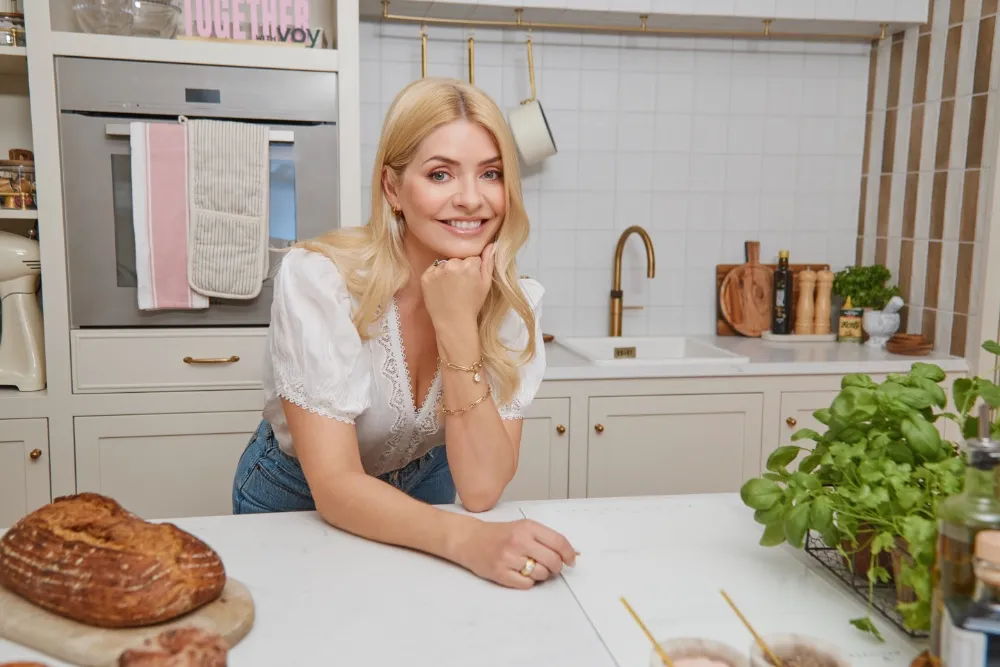
BROADCAST BAD: Holly Willoughby’s Together
Talking about Youtube…Holly Willoughby launched a new show on 28th July on the online platform.
This is her first major solo show since she left This Morning in 2023 after 14 years, claiming a wish to focus on her family, and shortly after dealing with a stalker who had planned to kidnap her. Since then, her television career has been a run of odd choices like Celebrity Bear Hunt with Bear Grylls being widely called one of the worst things Netflix has ever released.
Now she has come out with her own Youtube show ‘Together’, a 50-minute lifestyle chat show filmed in a kitchen, with Stanley Tucci as her first guest. The change in format comes after her personal realisation of how her and her kids were consuming media, and wanting to explore a different outlet – whilst also claiming the change in format has not felt as different as people would think.
However, the reviews show not many saw this new version positively: The Telegraph calling it “a borefest of awkward small talk, forced swearing and pie tin trivia,” and Metro’s critic saying she “cringed so hard” she felt like she’d “shrivel up into a tiny prune”.
But this is not actually the problem. A savaged show that everyone’s talking about is still a show everyone’s talking about. As people like to say: Bad PR is still PR.
The genuinely interesting part isn’t the show itself, but everything around it: National TV critics, Anita Singh at the Telegraph, Stuart Heritage at the Guardian, covered Together with the same formal star ratings they’d give any primetime debut. Together is produced by Hungry Bear Media, the company behind BBC hits like Gladiators and Michael McIntyre’s Big Show, which has separately built its own YouTube channels racking up hundreds of millions of views. The same production house making primetime BBC entertainment is now making YouTube content with the same crew, the same instincts, and increasingly the same audience expectations. And fronting it is one of the most recognisable presenters in Britain. Add in the BBC’s own recent moves into YouTube-first programming, and it’s hard not to read this as more than one presenter’s pivot. YouTube isn’t a stepping stone back to television anymore but it’s starting to look like a broadcast format in its own right.
BROADCAST GOOD: Andy Burnham
A week after becoming Prime Minister, Andy Burnham had done something Keir Starmer never managed in over a year in the job: put Labour ahead of Reform. Three separate polls this week showed Labour either level with or overtaking Reform, ending more than a year of near-total Reform dominance.
Nobody thinks a week of good headlines fixes the actual state of the country, and nobody’s claiming his media strategy alone explains the shift. But commentators tracking the bounce did specifically name his communication as one of the factors, one calling Labour’s comms “in another league” compared to before.
From a PR perspective, part of this is because of his online presence. The office tour, the pub snacks video marking a 20 per cent cut to business rates for pubs, clubs and live music venues, hitting back at Kemi Badenoch’s “pair of eyelashes and a black T-shirt” jibe with his own selfie video. A single funny clip won’t do much to how you’re viewed. But a constant stream of them creates the impression of a person rather than a campaign.
However, being good on social media doesn’t necessarily translate to broadcast. Short-form videos can be rehearsed, edited and repeated. Live television and radio remove those safety nets, forcing audiences to judge spontaneity, clarity and composure in real time. The way he presents himself in any sort of broadcast appearance comes across as relaxed and charming, a real contrast to a predecessor often described as stiffer when presented in the same conditions. In the week before he was confirmed as Labour leader on 17th July, he sat down for an exclusive interview with LBC’s Andrew Marr, his first proper broadcast test as the man about to take over, and the Spectator’s review on his on air performance stayed consistent, being referred as “ fluent and engaging”.
Whether you are for or against Burnham, it is clear he comes across as confident rather than rehearsed, the kind of plain, unscripted delivery that’s genuinely hard to fake on camera.

LOOKING AHEAD: August
We start the month on the 8th, a genuine motorsport milestone as it marks 100 years since the first British Grand Prix at Brooklands.
A-level Results Day follows on the 13th, with GCSE Results Day a week later on the 20th.
The Premier League’s 2026/27 season is expected to kick off around the 21st.
The 26th marks Women’s Equality Day.
And the month closes with the August Bank Holiday weekend, running the 29th to the 31st, which marks International Overdose Awareness Day.